This is a collaborative post. All thoughts and opinions are my own.
I’ve always found it hard to take time off as a freelancer. When you work for someone else, it’s easy to ask your boss for time off.
But when you work for yourself, you’re the boss. Which is fantastic – I can take as much time off as I want! – but, if I’m not working, I’m not earning. And I’m also the one who needs to meet all the deadlines and keep the business running.
This kind of thinking led to burnout for me a few years ago. I didn’t take any time off – weekends included – and I ended up pretty exhausted. So now, I prioritise my downtime. I take regular time off throughout the year, including weekends, holidays and random days off.
However, that doesn’t mean I find it easy. Taking time off still feels like a mammoth job at times, and it’s something that I’ve definitely improved with practice.
So, how can you take time off as a freelancer this Summer? How can you add balance to your daily routine? Let’s take a closer look.
How to take time off as a freelancer
Here are some tips for freelancers to take regular time off, including lots of ideas from my own experiences!
1. Plan ahead
If you’re worried about taking time off, chances are it’s because you have a packed schedule. So, a little planning goes a long way. Before you book a holiday, plan out exactly when it makes sense to take time off.
You might have a gap in your deadlines or you might be able to push some meetings. Block out your time off so that no one can book you, and always tell your clients in advance.
Being honest to your clients about when you have planned time off can ensure they don’t send you any work for that time – and it can stop them from contacting you or expecting a reply.
You’re your own boss, so you can take time off whenever you want. However, you don’t want to leave clients high and dry, so just drop them a message to keep them in the loop.
2. Think about what time off means to you
Time off means different things to different people. I’m not a huge holiday person, so I don’t tend to take off long periods of time.
Instead, I pepper in time off throughout the year to ensure I don’t burn out. This looks like finishing my week on a Thursday, giving myself longer Bank Holiday weekends, or finishing work at 12pm to have lunch with my mum.

That said, I also like to have prolonged breaks from work every so often, especially at Christmas. I completely detach from work (and the world a little, too) to focus on my hobbies and spend time with family.
Think about exactly what works for you. If you’re a parent, how can you take off time around your kids? If you love holidays, how can you ensure you get uninterrupted travel time?
Check out my ebook to find out how to reduce stress, create boundaries and thrive in your business this Summer! It’s 30% off until 30 September.
3. Book a holiday
Taking time off is a lot easier if you’re physically away from your desk. Booking a holiday – even just a short weekend away – can really help to get your mind off work.
Here are some holiday ideas for freelancers:
- Go to London for a theatre weekend
- Travel to Italy for a week of history and culture
- Book a relaxing beach holiday in Lanzarote
- Explore nature in the Scottish countryside
I know a lot of freelancers like to work while they’re away. However, I recommend trying to take at least a few days of proper time away from your business. This will give your brain chance to rest – and you’ll come back to your desk full of new ideas!
4. Set a budget
As a business owner, taking time off can get expensive. You’re not just dealing with regular holiday costs – you’re also taking time away from work, which means you could be earning less.
If this is the case, sit down and think about what your freelance budget looks like. Budget holiday time into your prices. As a freelancer, you don’t get sick pay or holiday pay, so this should be reflected in how much you charge your clients.
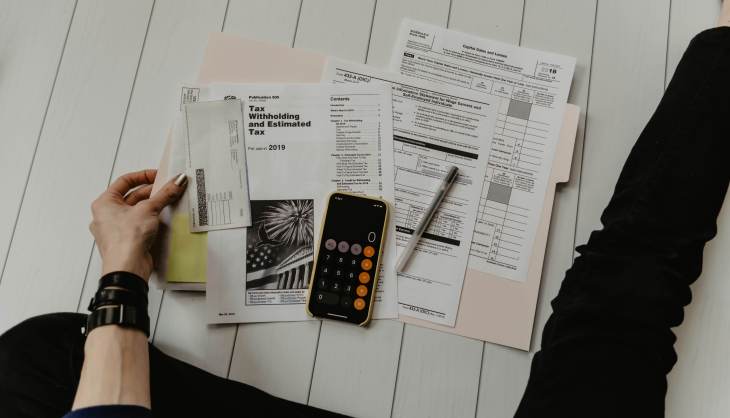
Consider how you can plan work around your time off to still earn a decent income. For some people, that means going away for a longer period of time to work while you travel. For others, that means taking on extra projects either side of your time off.
For more tips and tricks, check out my guide to maintaining stability as a freelancer.
5. Make the most of quiet times
Generally speaking, Summer and Christmas are the quietest times for digital business owners (depending on your business). People go on holiday and the world slows down.
So, why not make the most of that by taking some time off? It’s unlikely you’ll be earning a lot during those periods anyway, and you can take time to rest before things pick up again.
Once you’ve been freelancing for a year or so, you’ll start to recognise patterns in your work. You’ll see which times are busier and which times are quieter – and you’ll be able to book out time off accordingly.
6. Outsource your work
Last but not least, outsourcing is a handy way to take time off without missing out. You can continue to earn money or just ensure your business keeps running smoothly.
There are a few different ways to outsource, so you’ll need to think about what works best for you. It might look like getting another freelancer to write your client work for you, or working with a VA to ensure nothing gets missed.

There are pros and cons to outsourcing, and it’s something I’ve actually never done myself. But whether you use it to take time off or not, it could be an easy way to make money even while you relax.
How do you take time off over Summer? Do you have any holidays booked? What is your favourite way to spend time off?
Let me know all your thoughts in the comments 🙂
Happy reading x

 Not-So-Modern Girl
I can see how essential this is for freelancers, and your tips and info are really great. If I was working in this way, I would take your advice about making the most of quiet times. That is so useful!
LikeLiked by 1 person
Thank you, Molly! I agree, it’s so important 🙂
LikeLike